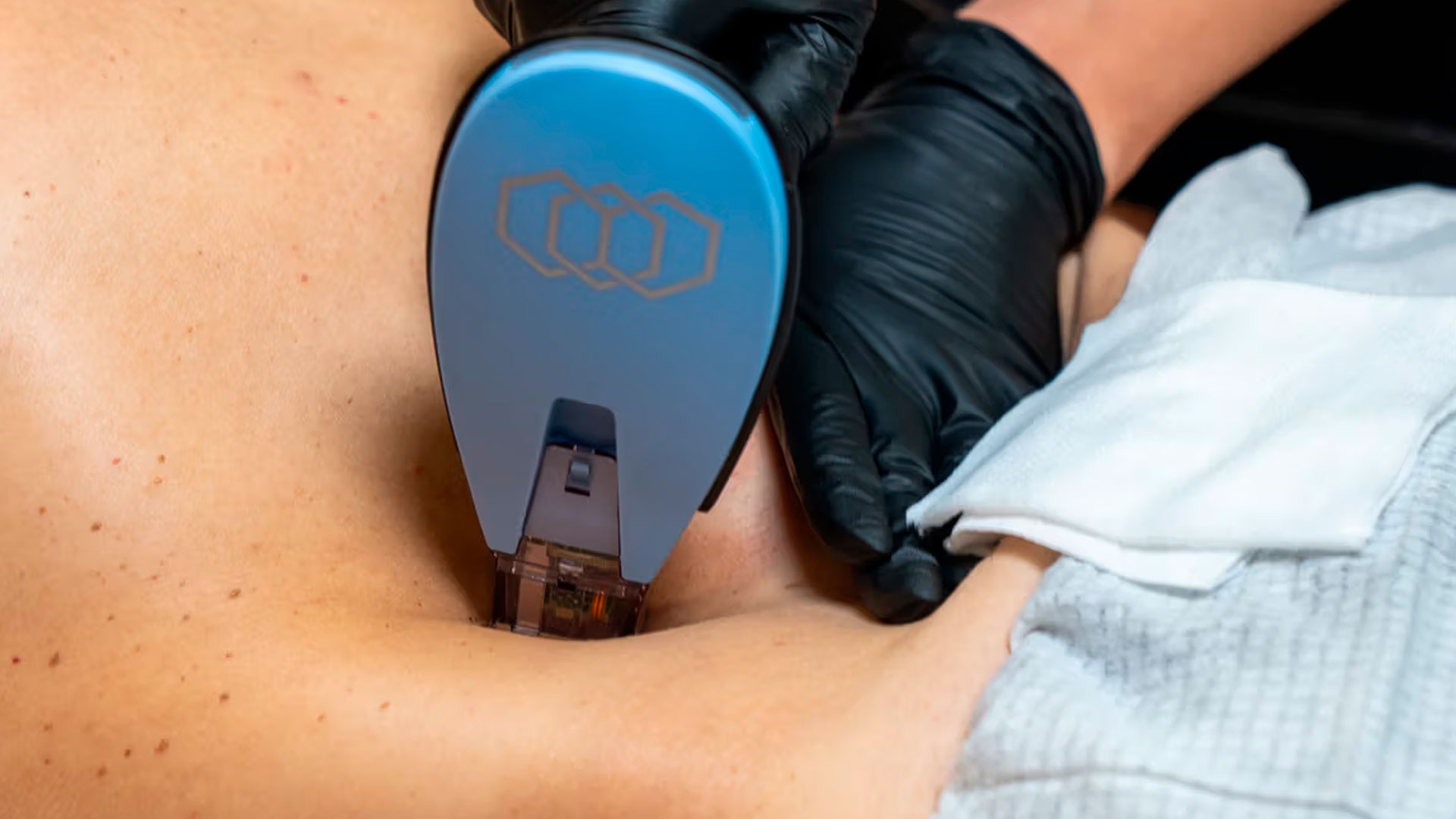
As the skin matures, the biological degradation of collagen and elastin leads to observable changes in tissue architecture: a softening jawline, submental laxity, deepening nasolabial folds, and crepiness along the neck. While surgical intervention once remained the sole pathway for structural repositioning, advances in clinical aesthetics now offer powerful, energy-based alternatives.
Two modalities stand at the forefront of modern non-invasive tissue rejuvenation: Morpheus8 and Ultherapy®.
Both technologies are engineered to tighten and lift compromised skin without surgical incisions or extensive convalescence. However, their underlying physics, treatment depths, and biological targets differ fundamentally. Deciding between them depends on whether your aesthetic concern stems from surface-level skin quality, structural tissue descent, or a combination of both.
Below is an objective clinical breakdown to help you evaluate which protocol aligns with your physiological goals at Alira Medspa in Houston.
The Core Difference: Radiofrequency Microneedling vs. Micro-Focused Ultrasound
To understand the difference in outcome, one must understand how each device delivers thermal energy to stimulate neocollagenesis (the production of new collagen).
| Feature | Morpheus8 | Ultherapy® |
| Energy Source | Fractional Radiofrequency (RF) | Micro-Focused Ultrasound (MFU) |
| Delivery Method | Gold-plated micro-pins penetrating tissue | Ultrasound transducers bypassing surface |
| Depth of Penetration | 1 mm to 4 mm (up to 7–8 mm on body) | 1.5 mm, 3.0 mm, and 4.5 mm (fixed depths) |
| Primary Anatomical Target | Dermis + Subcutaneous Adipose Tissue | Deep Reticular Dermis + SMAS Layer |
| Primary Focus | Texture, active remodeling, fat remodeling | Deep muscular suspension and lifting |
| Surface Downtime | 2 to 4 days (micro-crusting, erythema) | None (zero epidermal disruption) |
What Is Morpheus8? Deep Subdermal Remodeling
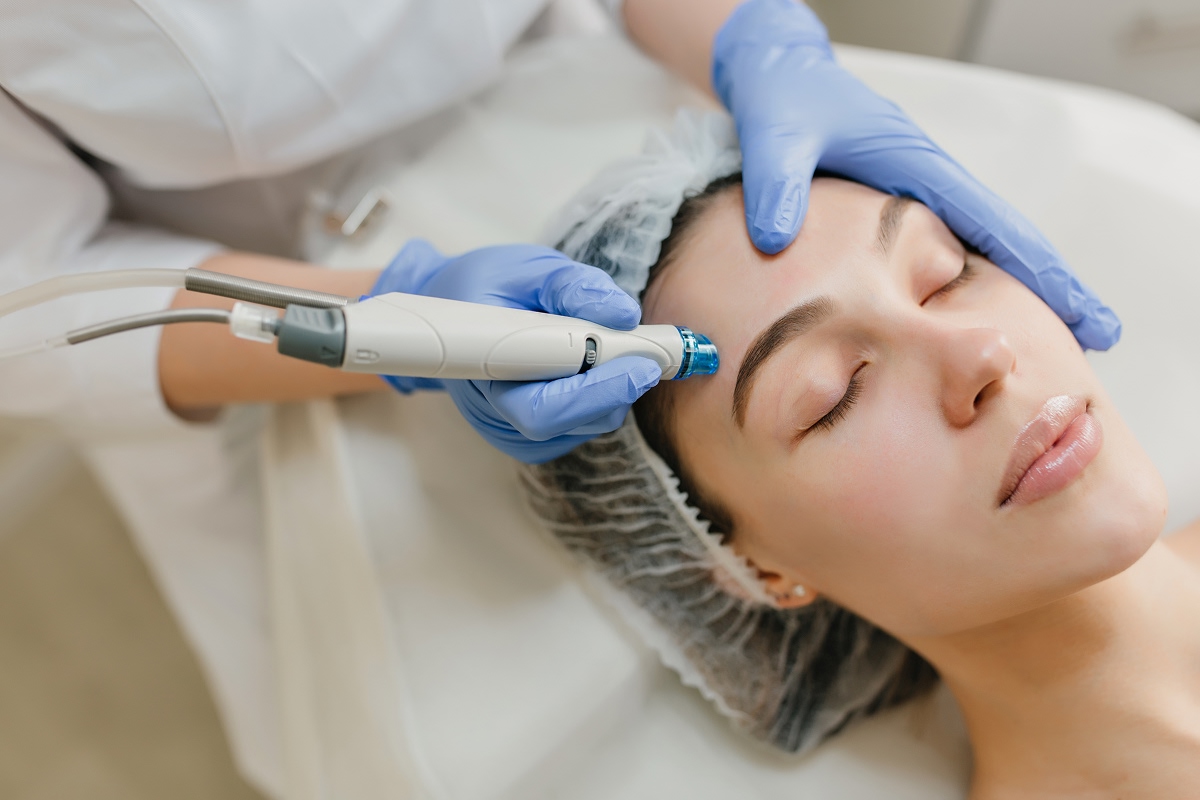
Morpheus8 combines the mechanical stimulation of microneedling with calibrated radiofrequency energy. During the procedure, fine silicone-coated micro-pins penetrate the epidermis into the subdermal space before releasing RF thermal pulses.
How It Works
By heating the reticular dermis to approximately 65°C–70°C, Morpheus8 initiates controlled coagulation of proteins. This thermal injury forces fibroblasts to produce fresh Type I and Type III collagen fibers while simultaneously contracting the fibroseptal network. Furthermore, because the pins can reach deeper subcutaneous layers, Morpheus8 can strategically remodel unwanted submental fullness (such as a double chin).
If you are curious about the technical nuances of this modality, explore our comprehensive analysis on Morpheus8 Houston: Is the Microneedling Upgrade Worth It?.
Best Suited For:
- Mild-to-moderate laxity combined with textural irregularities.
- Acne scarring, enlarged pores, and post-inflammatory tissue roughness.
- Crepey, thinning skin across the cheeks, neck, and chest.
- Patients seeking subtle submental contouring along with skin contraction.
What Is Ultherapy®? Structural Lifting at the SMAS Layer
Ultherapy® is the only non-invasive procedure cleared by the FDA to specifically lift the skin on the neck, under the chin, and along the brow line, as well as smooth lines on the décolletage.
How It Works
Unlike Morpheus8, Ultherapy leaves the skin’s surface entirely untouched. It utilizes Micro-Focused Ultrasound with DeepSEE® real-time imaging, allowing clinicians to visualize the exact layers of tissue being treated on a digital screen.
Ultherapy deposits precise thermal coagulation points (TCPs) at exact depths:
- 1.5 mm: Upper reticular dermis for superficial smoothing.
- 3.0 mm: Deep dermis to support matrix density.
- 4.5 mm: The Superficial Musculoaponeurotic System (SMAS)—the foundational layer of muscle and connective fascia that plastic surgeons surgically tighten during a traditional facelift.
Because energy is focused beneath the outer barrier without puncturing the epidermis, the body initiates a healing cascade entirely from the inside out, pulling sagging tissue upward without needle marks or flaking.
Best Suited For:
- Distinct gravitational descent (sagging jowls, drooping brows, loose neck tissue).
- Patients who prioritize structural lift over textural refinement.
- Individuals with busy schedules who cannot accommodate even 48 hours of micro-crusting or visible social downtime.
- Maintaining surgical facelift results over time.
Head-to-Head Comparison: Key Clinical Factors
1. Treatment Depth and Precision
If structural sagging is your primary concern, Ultherapy holds an advantage due to its ability to target the 4.5 mm SMAS layer consistently. Conversely, if your concerns encompass pore size, uneven texture, and surface crepiness alongside mild laxity, Morpheus8 addresses both the surface and the dermis simultaneously. To see how RF microneedling targets non-facial regions, review our breakdown on Morpheus8 Treated Areas.
2. Recovery & Social Downtime
- Ultherapy: Effectively zero downtime. You may experience transient erythema or mild tenderness beneath the jawline for a few days, but the surface skin remains intact. You can return to professional and social engagements immediately.
- Morpheus8: Involves 48 to 72 hours of mild swelling, localized redness, and pinpoint grid marks that feel like fine sandpaper. Mineral makeup can typically be applied after 24–48 hours.
3. Timeline of Results
With both treatments, collagen regeneration is a biological process rather than an overnight fix:
- Initial tightening may be felt after 3 to 4 weeks.
- Optimal lifting and remodeling become visible around month 3 to month 6, reflecting the timeline required for mature neocollagenesis.
- While Ultherapy is typically performed as a single session repeated every 12–18 months for maintenance, Morpheus8 often delivers its best outcomes across an initial series of 3 sessions spaced 4–6 weeks apart. For more details on multi-session planning, read our Morpheus8 Houston: Skin Tightening & Facial Contouring Guide.
Can You Combine Morpheus8 and Ultherapy?
In advanced clinical aesthetics, multi-depth tissue restoration frequently yields the most harmonious results.
Because Ultherapy addresses deep structural suspension (SMAS) while Morpheus8 refines dermal density, texture, and superficial collagen, experienced practitioners often design phased treatment plans. By spacing the protocols several months apart, patients achieve comprehensive multi-vector rejuvenation: an interior lift paired with an impeccably smooth exterior canvas.
Determining Your Protocol at Alira Medspa
Choosing between Morpheus8 and Ultherapy does not come down to which device is inherently superior; it depends entirely on your anatomical needs, skin thickness, degree of laxity, and lifestyle preferences.
At Alira Medspa, located in the heart of Houston (Montrose), every treatment begins with an in-depth clinical consultation. Our specialists examine tissue mobility, dermal thickness, and structural support to curate a treatment plan tailored specifically to your aesthetic goals.
Ready to define your contours and restore cellular firmness?
Schedule your diagnostic consultation at Alira Medspa or contact our clinical team at (713) 523-6000.