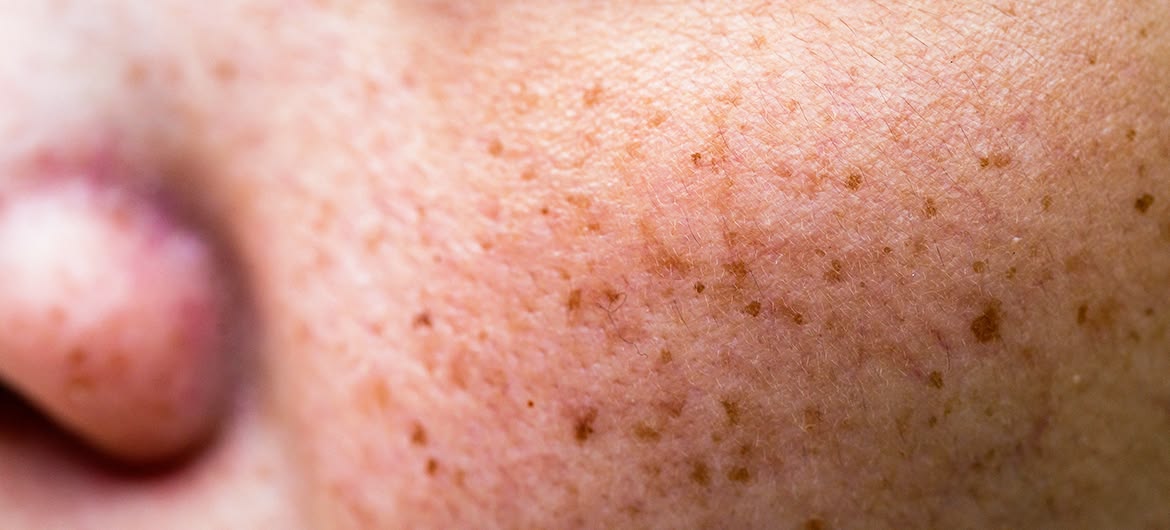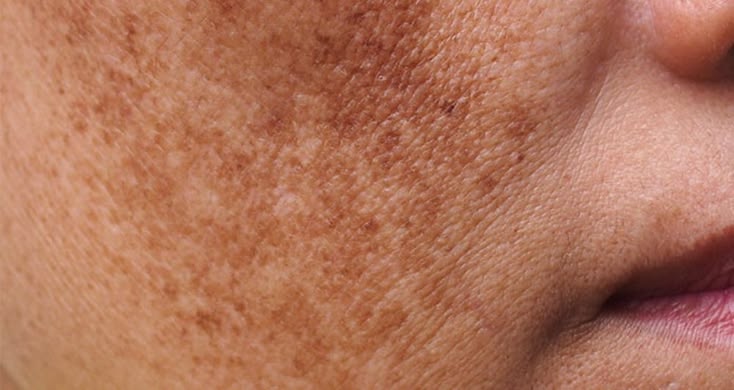
Melasma is one of the most frustrating skin concerns we see. The patches often appear across the cheeks, upper lip, forehead or jawline, sometimes after a pregnancy, a change in birth control, or a particularly sunny summer. Patients try brightening products, then stronger ones, and see the patches fade, only to watch them return after a beach weekend or a few weeks of Houston heat.
This pattern is not a failure of discipline. It reflects the nature of melasma itself. Unlike a sun spot, which is a localized cluster of pigment, melasma is a chronic, multifactorial condition. Managing it well requires understanding what drives it and building a plan that calms pigment production rather than simply removing what is visible.
Melasma vs. Sun Spots vs. Post-Inflammatory Pigmentation
Not all dark spots are created equal. Treating them as if they were is one of the most common reasons results disappoint.
| Melasma | Sun Spots | Post-Inflammatory Pigmentation | |
|---|---|---|---|
| Appearance | Symmetrical, blotchy patches with soft edges | Defined, round or oval spots | Flat marks where skin was injured or inflamed |
| Common locations | Cheeks, forehead, upper lip, jawline | Face, chest, hands, shoulders | Anywhere a breakout, burn or irritation occurred |
| Main triggers | Hormones, UV, visible light, heat | Cumulative UV exposure | Acne, irritation, aggressive treatments |
| Behavior | Chronic, tends to recur | Stable once treated, unless new sun damage | Often fades with time and protection |
Why Melasma Is So Persistent
Hormonal influence
Estrogen and progesterone can stimulate melanocytes. This is why melasma often appears during pregnancy or with hormonal medications, and why it is more common in women.
Light and heat
UV light is a known trigger, but visible light and heat also play a role. In Houston, where heat and humidity are constant, melanocytes can remain in a heightened state for much of the year.
Overactive melanocytes
In melasma, pigment-producing cells are not just more numerous. They are more reactive. Aggressive treatments that create excess heat or inflammation can make them even more active, which is why melasma sometimes darkens after the wrong procedure.
The Clinical Approach: Calm, Then Clear
Effective melasma management works in layers.
1. Protection
Daily broad-spectrum sunscreen is non-negotiable. For melasma, tinted mineral sunscreens containing iron oxides add protection against visible light, which conventional sunscreens may not fully block.
2. Tyrosinase inhibition
Tyrosinase is the enzyme that drives melanin production. Ingredients that help inhibit it are the foundation of melasma care:
- Hydroquinone, a prescription-strength option used under provider supervision and for defined periods
- Tranexamic acid, topical or as directed by a medical provider, which helps interrupt pathways linked to pigment
- Azelaic acid, kojic acid and niacinamide, which support a more even tone with good tolerability
- Antioxidants such as vitamin C, which help defend against the environmental stress that fuels pigment
Medical-grade systems, including Obagi protocols, combine several of these in a structured regimen. Your provider will determine which approach is appropriate.
3. Gentle resurfacing
Once pigment activity is calmer, carefully selected peels or gentle exfoliation can help lift pigment from the surface. Intensity matters: gentle and consistent is more effective than aggressive and occasional.
4. Laser, with precision
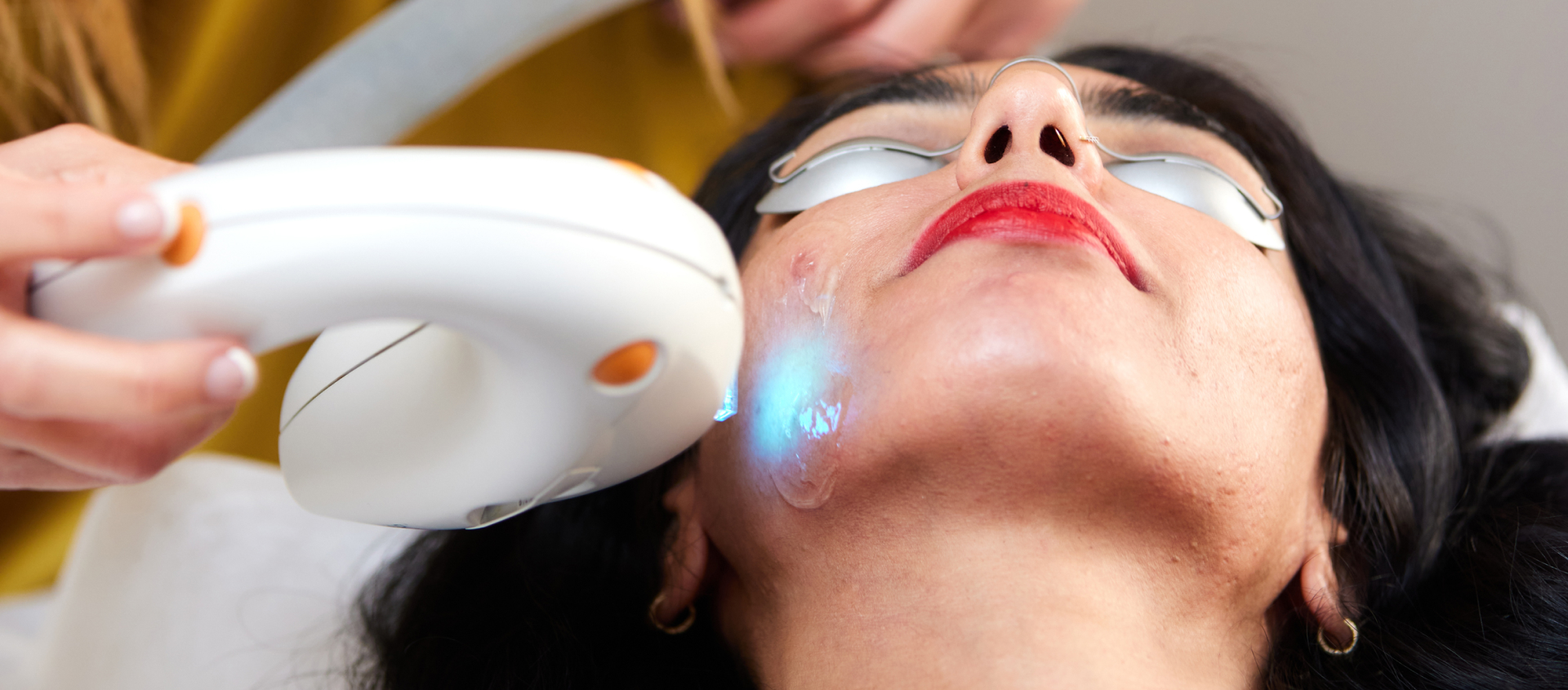
Lasers can be part of a melasma plan, but the choice of technology and settings is critical. At Alira, we use a Q-Switched Nd:YAG laser, which delivers ultra-short pulses that target pigment while limiting heat to the surrounding skin. For melasma, it is typically used with conservative settings over a series of sessions, and always alongside a topical regimen.
Heat-heavy treatments, including some IPL settings, require particular caution in melasma-prone skin, which is why a consultation always comes first.
What Happens During a Melasma Consultation
A melasma plan begins with an accurate reading of the skin. During consultation, your provider will review when the pigment first appeared, any hormonal changes or medications, your sun habits and the products you have already tried. The skin is examined closely, often under magnification, to distinguish melasma from sun spots or post-inflammatory marks, which frequently coexist.
From there, the plan is sequenced: protection and topical correction first, then in-clinic treatments when the skin is ready. Expectations are discussed openly, including timelines and the role of maintenance, so progress can be measured with clarity.
What to Avoid When You Have Melasma
Some of the most common responses to pigmentation tend to intensify melasma:
- Aggressive scrubs and frequent strong peels, which create inflammation
- High-heat treatments performed without a melasma-specific plan
- Unsupervised, long-term hydroquinone use, or products bought without guidance
- Skipping sunscreen on cloudy days or indoors near windows, where visible light still reaches the skin
- Stopping treatment as soon as patches fade, which often leads to a quicker return
Why Maintenance Is Part of the Treatment
Because melasma is chronic, success is measured not only by how much it fades, but by how well it stays controlled. Once patches have improved, most patients move into a maintenance phase: a simplified topical regimen, consistent visible-light protection and periodic in-clinic sessions, often scheduled before the strongest sun months. In Houston, a spring check-in before summer is particularly valuable.
Maintenance is also when patience pays off. Each season of steady care helps melanocytes remain calmer, and many patients find that their skin becomes progressively easier to manage.
A Daily Routine for Melasma-Prone Skin
AM
- Gentle, non-irritating cleanser
- Vitamin C antioxidant serum
- Pigment-correcting serum as prescribed
- Lightweight moisturizer
- Tinted mineral SPF 30 or higher, reapplied every two hours outdoors
PM
- Gentle cleanser
- Prescribed tyrosinase inhibitor or pigment-correcting treatment
- Barrier-supporting moisturizer
Lifestyle
- A wide-brimmed hat and shade during peak hours
- Avoid prolonged heat, such as saunas and hot yoga, during active treatment
- Be patient: melasma responds over months, not days
Frequently Asked Questions
Can melasma be cured?
Melasma is considered a chronic condition. It can be significantly improved and kept under control, but it may recur with triggers such as sun, heat or hormonal changes.
Is laser treatment safe for melasma?
It can be, with the right technology and conservative settings. Q-Switched Nd:YAG lasers are often used for this purpose, combined with topical care. The wrong settings can worsen pigment, so a professional assessment is essential.
Why did my melasma get darker after a treatment?
Excess heat or inflammation can stimulate melanocytes. This is why melasma calls for gentler, gradual protocols.
How long until I see improvement?
With a consistent regimen, many patients notice early changes within 8 to 12 weeks. Combined treatments may accelerate visible progress.
Does Houston’s climate make melasma worse?
Strong year-round sun and heat are both known triggers, which makes daily protection and a maintenance plan especially important here.
A Personalized Plan for Lasting Clarity
Melasma requires patience, precision and a plan built around your skin, your history and your environment. We invite you to schedule a consultation at Alira Med Spa in Houston, where our providers will identify the type of pigmentation you are experiencing and design a protocol that respects your skin while helping it look clearer and more even.
Individual results vary. Schedule a consultation with our providers to determine the right protocol for your skin.